

How much is too much dog drool
Drooling is normal, but here’s how to determine if your dog’s drooling is a cause for concern.
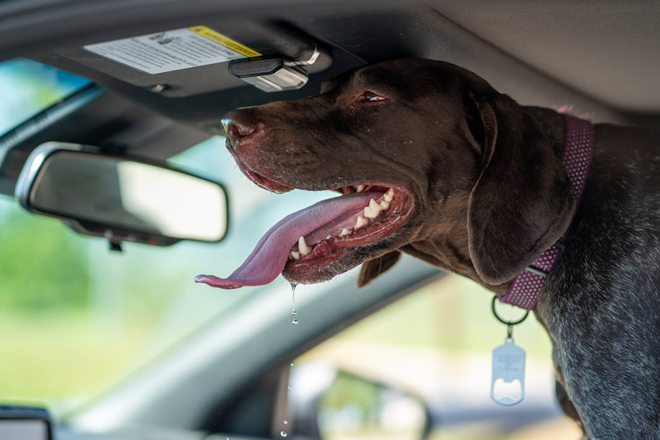
Summary
- Some dogs drool more than others — There isn’t always a reason behind this, but if your dog starts drooling more than their normal, reach out to a vet.
- Drooling can be communication — Dogs may drool when they’re excited or have caught the whiff of dinner. It doesn’t always mean something bad!
- Excessive drooling can be a sign that something is wrong — In some cases, a lot of drool can be a sign of an injury or illness.
Drool may not be our favorite thing about dogs, but it happens whether we like it or not. It’s a normal function in dogs, the same way saliva production is normal for people. But too much of anything can be a problem, and we’re here to explain what causes drool and when your dog’s drool may be a cause for concern.
Why your dog drools
Dogs may drool for many reasons. Some are innocent, while others may require treatment from a vet. As with anything, whatever your dog’s “normal” is should be the baseline when determining if something is wrong. If your dog is a heavy drooler all the time, and always has been, then that’s probably fine! But if you notice excessive drooling alongside other unfamiliar symptoms, take your concerns seriously.
Dental issues
Pain, inflammation, or difficulty swallowing due to dental problems can lead to excessive drooling. Pain can trigger a dog’s body to produce more saliva, which can pool and spill out of their mouths. Not only that, but broken or loose teeth can also make swallowing difficult, thus causing more drool.
Watch your dog for any signs that they’re having issues with their mouths, such as a lack of appetite or a refusal to chew on bones or toys they normally love. Once any dental problems are resolved—be it through a tooth extraction or cleaning—the excessive drooling should clear up.
Anatomy
In the same way that people have different face and mouth shapes, so too do our furry friends. Because of that, drool may pool or dribble out of some mouths more than others. Take large jowled breeds for example. The anatomy of their mouths are looser, which doesn’t hold in saliva very well, leading it to drip out. So if you’re interested in one of these breeds, be aware that this is a common experience that likely won’t go away.
Nausea
When you get nauseous, your body often overproduces saliva, and the same thing can happen in dogs. The nausea center of the brain is incredibly close to the salivation center, so when one goes off, the other may follow. It’s a means of lubricating the mouth and throat to protect from stomach acid should the nausea lead to vomiting.
Injuries
Mouth injuries can be another common cause of drooling. This can range from small cuts caused by chewing too hard on a bone to burns or ulcers in the mouth. Regardless of whether the injury is harmless or not, it can lead to excessive salivation.
Toxins
Dog’s bodies are always trying to protect them, and in the case of ingesting things they shouldn’t, saliva comes to the rescue. If your dog has eaten something they shouldn’t have, you may notice more saliva. Other signs of toxin or poison ingestion include vomiting, seizures, or lethargy.
🚨If you suspect your dog has consumed something they shouldn’t have, go to your vet immediately.
Excitement
Anticipation can be another cause of drooling. In short, some dogs may drool more when they’re excited to see you, play, go for a walk, or even simply lounge around the house.
Smelling food
A dog’s sense of smell is impeccable, so of course they can smell things we can’t. And when it comes to food, dogs might salivate a little (or a lot) leading to some excess drool on the floor.
How to manage your dog’s excessive drooling
There are a ton of reasons why your dog may be drooling an excessive amount, and the first step should be to have a chat with the vet. They can help you best determine what the factors are that are causing the drool. It could require a change in diet, administering medication, or removing growths from the mouth to resolve the issue.
However, not all causes are medical. For behavioral drooling—such as when excited or smelling food—there are other options. The first step would be to acknowledge that there may be only so much you can do to curb a dog’s drooling. From there, work to keep your dog calm during situations when they’re normally ultra excited. If a person is coming over or you’re heading to the dog park, find ways to keep your pet calm, even if that means putting them in a separate room of the house to settle down.
It may be inevitable that when you’re cooking dinner, your dog starts salivating. Take it as a compliment that your cooking smells great! And be sure to have a towel on hand to wipe up any messes should you allow them to be nearby. But it's also okay to sequester your dog to a separate area of the house during dinner to try and prevent too much drooling.
Most cases of drooling aren’t cause for concern, but there’s no harm in seeking a second opinion to ensure your dog is healthy and happy.
Frequently asked questions
What can I do to help my dog stop drooling?
You should first try to get to the bottom of what is causing the drooling in the first place. Is it excitement or is your dog nauseous? Some dogs are more prone to drooling than others — hello, large jowled breeds like Saint Bernards and Mastiffs — and if your dog is one of them, carry around a rag to regularly wipe their mouths.
How to get rid of dog drool?
Be sure to wipe your dog’s mouth regularly, especially after they eat or drink. You can even consider wrapping a bandana around their neck which might catch any drips or drops. If your dog’s drool stains your furniture or clothes, clean it with mild soap and water or a water and vinegar mix. Be sure to not use any cleaners that are harmful to dogs.
Should I take my dog to the vet for excessive drooling?
If you’re concerned that your dog is drooling more than normal then yes, you should. Maybe nothing's wrong, but it's always nice to get peace of mind.
When should I worry about my dog drooling?
If your dog starts to excessively drool with no other obvious cause then you should consider taking your dog to the vet. Random drooling can be caused by numerous issues worth getting checked out.


